
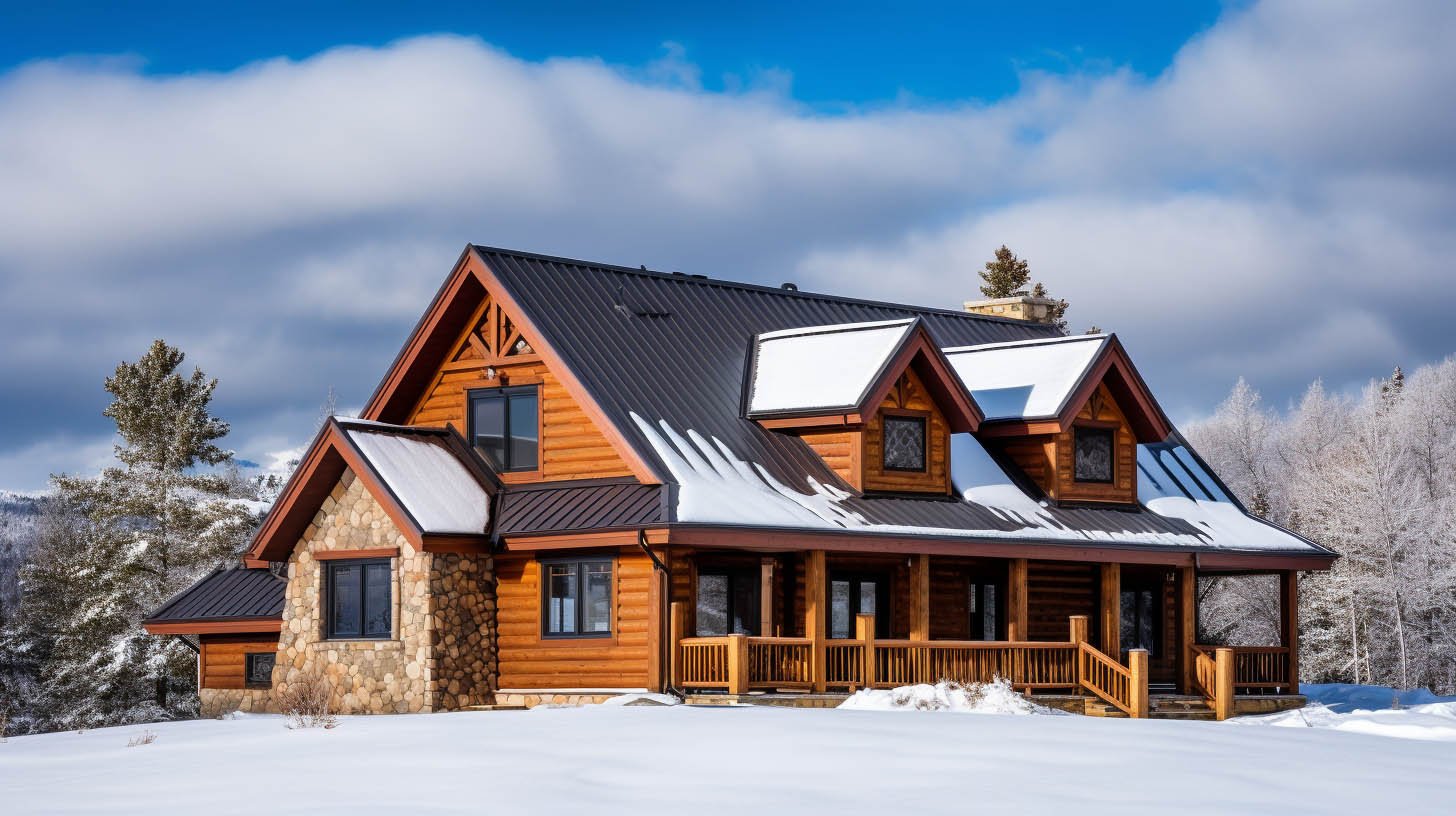
In the realm of home construction, tailoring to specific environmental demands is crucial, particularly in roofing. The right roofing choices are pivotal in enhancing a home’s resilience and efficiency, especially in challenging climates. Here, we delve into the best roofing practices and materials suited for various harsh conditions, offering insights from GreenLight Roofing and Remodeling, a leading roofing company Weatherford TX.
Enduring High Heat and Sun Exposure
Optimal Materials:
- Metal Roofing: Known for its ability to reflect solar radiant heat, metal roofing is a game-changer in reducing cooling costs.
- Slate or Clay Tiles: These natural materials are not only durable but also excel in withstanding high temperatures.
Best Practices:
- Choosing reflective or light-colored roofing materials can significantly deflect sunlight.
- Installing a radiant barrier in the attic is an effective strategy to minimize heat gain.
Combatting Heavy Snowfall and Cold
Optimal Materials:
- Metal Roofing: Its slick surface allows snow to slide off easily, preventing ice dams.
- Asphalt Shingles: When chosen of high quality, they can flexibly bear the weight of snow, a necessity in colder climates.
Best Practices:
- Proper attic insulation is key to reducing heat loss.
- A steeper roof pitch aids in shedding snow, preventing dangerous accumulations.
Withstanding High Winds and Coastal Challenges
Optimal Materials:
- Metal Roofing: Offers excellent wind resistance and does not corrode easily.
- Slate: Its weight and durability make it less prone to wind uplift.
Best Practices:
- Employing high-wind-resistant fasteners is crucial for securing roofing materials.
- Selecting materials tested for wind and impact resistance ensures greater longevity.
Managing Rainy and Humid Conditions
Optimal Materials:
- Metal Roofing: Its immunity to rot and moisture damage makes it ideal for wet climates.
- Cedar Shingles: These shingles naturally resist water and allow the roof to breathe, preventing moisture buildup.
Best Practices:
- A robust gutter system is essential for effective water drainage.
- Regular inspections for moss, mold, or mildew growth are necessary, along with prompt cleaning.
Protecting Against Wildfires
Optimal Materials:
- Metal, Slate, or Tile Roofing: Fire-resistant qualities of these materials can significantly hinder the spread of flames.
- Class A Fire-rated Shingles: These specialized shingles are designed to offer superior fire resistance.
Best Practices:
- Keeping the roof clean and free of debris is a simple yet effective fire-prevention measure.
- Installing a fire-resistant underlayment adds an extra layer of protection.
Conclusion
Selecting the right roofing materials and practices is not just a matter of preference but a necessity for ensuring the longevity and performance of your home, especially in harsh climates. While the initial investment in premium materials might be higher, the long-term benefits, including reduced maintenance, energy savings, and peace of mind, are invaluable. Consulting with a local roofing expert, such as GreenLight Roofing and Remodeling, ensures that your roofing decisions are well-informed and tailored to the unique challenges of your region.


