
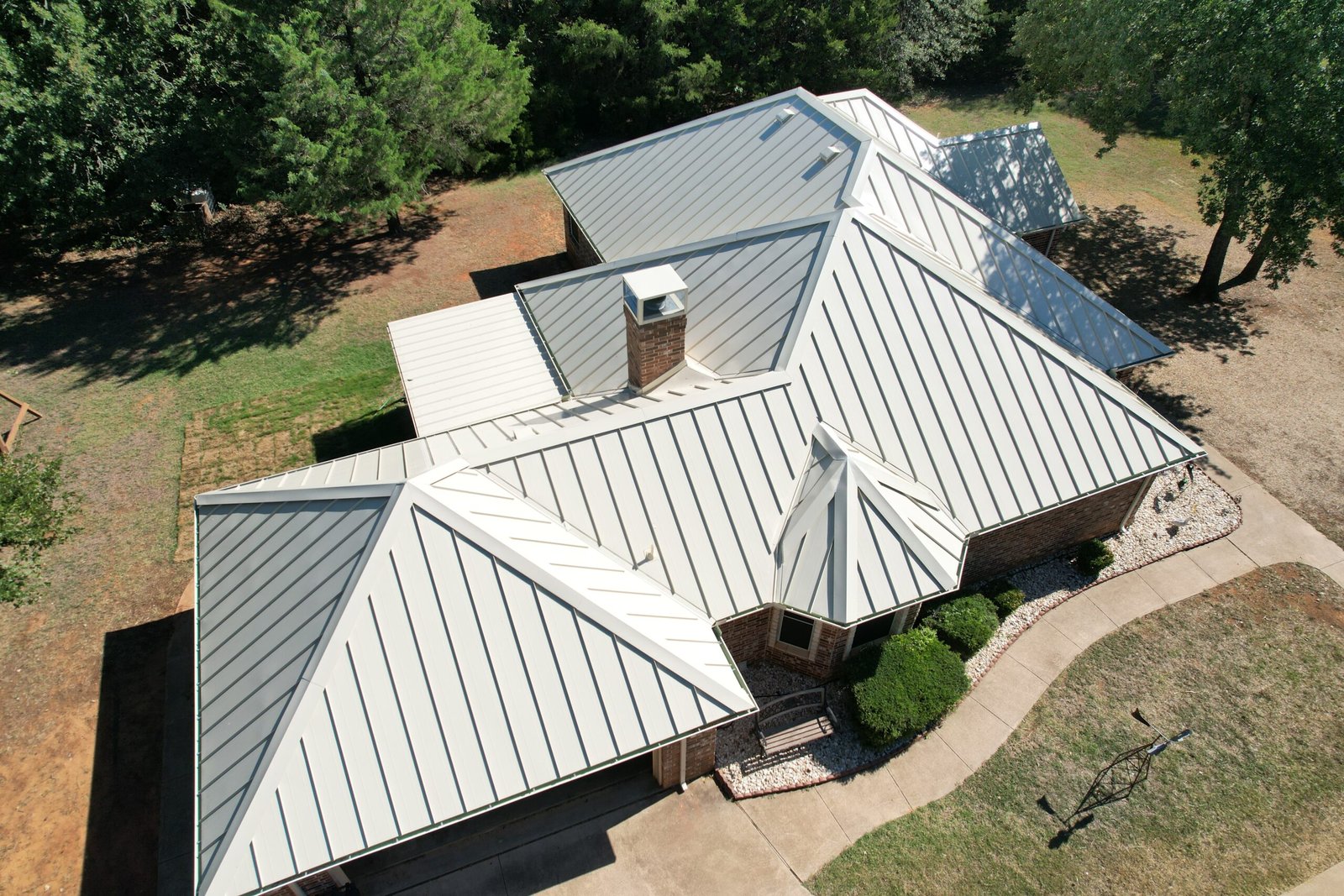
If you’re lying awake at night wondering whether your roof sustained damage from the latest hailstorm or high winds that swept through Weatherford, Aledo, or Hudson Oaks, you’re not alone. Every homeowner in Parker County knows that feeling—the nagging anxiety that something could be wrong with your roof that you just can’t see from the ground. Maybe you’ve noticed your neighbors getting their roofs replaced and you’re wondering if you should be doing the same. Perhaps you’ve spotted a few shingles in your yard after the last storm, or you’ve seen what looks like water stains on your ceiling but you’re not sure if it’s serious.
Here’s what makes this situation so frustrating: you know you need answers, but you’re terrified of calling a roofing contractor who will either exaggerate minor issues to sell you an unnecessary roof replacement, or worse—tell you everything is fine when there’s actually hidden damage that will cost you tens of thousands more down the road when it becomes catastrophic.
You’ve probably already tried looking at your roof yourself with binoculars, feeling foolish standing in your yard trying to spot problems you wouldn’t recognize even if you saw them. Maybe you’ve watched YouTube videos about storm damage that only made you more anxious because now you’re seeing potential issues everywhere. You might have even called a contractor or two who gave you completely different assessments, leaving you more confused than when you started.
The truth is, you don’t need another sales pitch. You need honest information from a roofing professional you can actually trust—someone who will tell you the truth about your roof’s condition whether that means you need major repairs, minor fixes, or nothing at all right now.
That’s exactly what GreenLight Roofing and Remodeling’s Free Roof Inspection service provides to homeowners throughout Weatherford, Aledo, Willow Park, Hudson Oaks, and surrounding Parker County communities.
You’ve probably seen dozens of roofing companies advertising free inspections. So what makes ours different? Why should you trust us when you’ve been burned by high-pressure sales tactics before?
The difference comes down to our approach and our commitment to education over salesmanship. When our certified roofing specialists arrive at your home, they’re not coming with a predetermined agenda to sell you a new roof. They’re coming to give you accurate information about your roof’s actual condition so you can make an informed decision about what’s best for your family and your budget.
We’ve built our reputation in Parker County by treating every homeowner with the respect and honesty we’d want for our own families. That means showing up on time, conducting thorough inspections that don’t cut corners, and providing straightforward information without the manipulation tactics that have given the roofing industry such a bad reputation. Our inspectors are trained to look at your roof through the lens of long-term protection and value, not short-term sales commissions.
Detailed exterior roof assessment – We thoroughly examine every section of your roof, checking for hail damage, wind damage, missing or damaged shingles, compromised flashing, and any signs of wear that could lead to future problems. Our inspectors know exactly what storm damage looks like in Parker County because we’ve been serving this community through countless severe weather events.
During this exterior assessment, we’re looking at far more than just obvious damage. We examine the condition of your shingles from multiple angles, checking for subtle signs of hail impact that might not be visible from a single vantage point. We inspect the edges of your roof where wind damage typically begins, looking for lifted or curled shingles that compromise your home’s weather protection. We examine all the transition points where different roof planes meet, as these valleys and ridges are particularly vulnerable to both storm damage and normal wear. Our inspectors also assess the condition of your gutters and downspouts, as these components play a critical role in protecting your roof and home from water damage.
Interior inspection for water intrusion – Many homeowners don’t realize that by the time you see water stains on your ceiling, significant damage has already occurred in your attic and insulation. We check your attic space for signs of moisture, mold growth, compromised insulation, and structural concerns that aren’t visible from outside your home.
The interior inspection is where we often discover the most concerning issues that homeowners had no idea existed. We’re looking for telltale signs of water penetration that might include dark staining on wooden structural members, compressed or wet insulation, moisture accumulation on the underside of roof decking, and early-stage mold or mildew growth. We also assess your attic’s ventilation system, as inadequate ventilation can cause problems that mimic or exacerbate roof damage. Our inspectors examine the condition of your roof decking from below, checking for sagging, soft spots, or other structural concerns that could indicate serious problems. This interior perspective gives us a complete picture of your roof’s condition that’s impossible to get from exterior inspection alone.
Photographic documentation of all findings – Unlike contractors who walk your roof for ten minutes and give you a verbal assessment you have no way to verify, we document everything we find with clear photographs. You’ll receive a detailed report showing exactly what we discovered, where the issues are located, and what they mean for your home’s protection.
Our photographic documentation isn’t just a few random pictures—it’s a comprehensive visual record of your roof’s condition. We capture close-up images of any damage or concerns we identify, along with reference photos that show the location of these issues on your roof. We photograph areas of concern from multiple angles to provide complete context. If we find hail damage, our photos will clearly show the impact points and granule loss. If we discover wind damage, you’ll see exactly which shingles are affected and how. This documentation serves multiple purposes: it helps you understand what we’re talking about when we explain our findings, it provides evidence for insurance claims if needed, and it gives you a baseline record of your roof’s condition that can be valuable for future reference.
Written assessment with honest recommendations – You’ll get a straightforward explanation of your roof’s condition in language you can understand, not confusing industry jargon designed to pressure you into unnecessary work. If your roof is fine, we’ll tell you it’s fine. If you need repairs, we’ll explain exactly what needs to be done and why. If you need a full replacement, we’ll show you the evidence that supports that recommendation.
Our written assessment breaks down our findings into clear categories so you understand what’s urgent, what should be addressed soon, and what can be monitored over time. We explain the implications of each issue we’ve identified—what happens if it’s addressed promptly versus what happens if it’s left unattended. We provide context about your roof’s age, the typical lifespan of your roofing materials, and how the issues we’ve found fit into the bigger picture of your roof’s overall condition. This written report becomes your roadmap for making informed decisions about your home’s protection, whether that means scheduling immediate repairs, planning for future replacement, or simply continuing to monitor your roof’s condition.
Insurance claim assistance if needed – If we discover storm damage that should be covered by your homeowner’s insurance, we’ll help you understand the claims process and provide the documentation your insurance company requires. We work directly with insurance adjusters regularly and know how to present findings in a way that supports legitimate claims while protecting you from claim denial.
Navigating the insurance claim process can be overwhelming, especially when you’re already stressed about potential roof damage. We’ve worked with virtually every major insurance company that operates in Parker County, and we understand what they’re looking for in terms of documentation and evidence. We can help you understand your policy’s coverage, explain what types of damage are typically covered versus excluded, and guide you through the steps of filing a claim. When the insurance adjuster comes to inspect your roof, we can be there to ensure all damage is properly identified and documented. We know how to communicate with adjusters in their language, presenting evidence in ways that support legitimate claims while maintaining the integrity and honesty that insurance companies respect.
No-pressure consultation about your options – After the inspection, we’ll sit down with you to discuss what we found and walk through your options. Whether that’s scheduling necessary repairs, exploring roof replacement solutions, filing an insurance claim, or simply monitoring a few areas over the next year, the decision is entirely yours. We’re here to educate and advise, not to pressure or manipulate.
This consultation is where our commitment to education over salesmanship really shines through. We take the time to answer every question you have, no matter how basic or complex. We explain the pros and cons of different approaches to addressing any issues we’ve found. We discuss timing considerations—what needs immediate attention versus what can wait. We talk about how different solutions might affect your home’s value, energy efficiency, and long-term protection. If you want to get second opinions, we encourage that. If you need time to discuss options with your spouse or family members, we completely understand. Our goal is to ensure you have all the information you need to make decisions you’ll feel confident about for years to come.
Parker County experiences some of the most challenging weather conditions in North Texas. Between the intense summer heat that degrades roofing materials, the occasional winter ice storms, and the frequent severe thunderstorms that bring large hail and damaging winds, your roof takes a beating year after year.
The problem is that much of this damage isn’t immediately obvious. You might have significant hail damage that’s compromised your shingles’ protective granules without creating visible holes. You could have wind damage that’s lifted shingles just enough to allow water intrusion during the next rain. Your flashing might be damaged in ways that won’t cause leaks for months or even years, but when they do, the resulting water damage will be extensive and expensive.
The climate in our region creates a perfect storm of conditions that accelerate roof aging and create vulnerabilities that might not exist in other parts of the country. Our intense summer sun beats down on roofs for months at a time, causing shingles to become brittle and lose their flexibility. When those same brittle shingles are then subjected to hail impact or high winds, they’re far more likely to crack, break, or lose their protective granule coating. The dramatic temperature swings we experience—from freezing winter nights to scorching summer days—cause roofing materials to expand and contract repeatedly, which can loosen fasteners, create gaps in flashing, and compromise the seals that keep water out.
Hail damage to asphalt shingles – Hailstones don’t have to puncture your roof to cause serious damage. Impact from hail can bruise shingles, knock off protective granules, and create weak spots that will fail prematurely. This type of damage accelerates your roof’s aging process and can void manufacturer warranties if not addressed promptly.
When hail strikes your roof, it creates impact points that may not be immediately visible from the ground but can significantly compromise your shingles’ integrity and lifespan. The protective granules on asphalt shingles serve multiple critical functions—they shield the asphalt layer from UV damage, provide fire resistance, and give shingles their color and aesthetic appeal. When hail knocks these granules off, it exposes the underlying asphalt to direct sunlight and weather, causing rapid deterioration. Even more concerning, hail impact can bruise the shingle material itself, creating soft spots that will eventually crack and fail. During our inspections, we look for the telltale signs of hail damage that untrained eyes often miss—random patterns of granule loss, shiny spots where asphalt has been exposed, dents in metal roof components, and damage to other exterior features like air conditioning units or fence tops that confirm hail impact occurred.
Wind damage and lifted shingles – High winds common to our area can lift shingle edges, break the seal between shingle layers, and even tear shingles completely off your roof. Even shingles that appear intact from the ground may have been lifted enough to compromise their waterproofing ability.
Wind damage is particularly insidious because it often looks fine from your vantage point on the ground, yet creates vulnerabilities that will lead to leaks and more extensive damage over time. When strong winds get underneath shingle edges, they can break the adhesive seal that bonds each shingle to the one below it. Once this seal is broken, those shingles become increasingly vulnerable to future wind events and water intrusion. We frequently find shingles that have been lifted and then settled back down, appearing normal but no longer providing adequate protection. Wind damage typically shows patterns related to your roof’s orientation and the direction of prevailing winds in our area. Corners, edges, and ridge lines are particularly vulnerable. During our inspections, we carefully check these high-risk areas, looking for lifted edges, creased shingles, missing pieces, and broken seals that indicate wind damage has occurred.
Damaged or missing flashing – The metal flashing around your chimney, skylights, vents, and roof valleys is critical for preventing water intrusion. Storm damage to flashing is one of the most common issues we find, and it’s also one of the hardest for homeowners to spot without getting on the roof.
Flashing is your roof’s first line of defense at all the vulnerable transition points where water is most likely to find its way into your home. When storms damage flashing—whether through direct impact, wind uplift, or the stress of flying debris—it creates pathways for water to bypass your shingles entirely and penetrate directly into your home’s structure. We inspect all flashing components carefully, looking for dents, tears, separation from the roof surface, missing sections, and compromised seals. Chimney flashing is particularly vulnerable because it involves multiple components that must all work together seamlessly. Skylight flashing can be damaged by hail impact or wind-driven debris. Valley flashing, which channels large volumes of water, can be compromised by storm debris accumulation or impact damage. Pipe boot flashing around vent pipes can crack from sun exposure and then fail completely during storms. Our inspectors know exactly where to look and what signs indicate flashing has been compromised.
Compromised roof ventilation – Storm damage can affect your roof’s ventilation system, leading to moisture buildup in your attic, reduced energy efficiency, and premature aging of your roofing materials from the inside out.
Your roof’s ventilation system is essential for maintaining proper attic temperature and moisture levels, yet it’s often overlooked during storm damage assessments. Ridge vents can be damaged by high winds or hail, reducing their effectiveness or allowing water intrusion. Soffit vents can become blocked by debris or damaged by wind-driven rain. Gable vents and turbine vents are particularly vulnerable to storm damage. When ventilation is compromised, the consequences extend far beyond the ventilation components themselves. Poor attic ventilation leads to heat and moisture buildup that can warp roof decking, damage insulation, promote mold growth, and dramatically shorten your roof’s lifespan. During summer months, inadequate ventilation causes your attic to become superheated, which bakes your shingles from below while the sun bakes them from above—a recipe for premature failure. During our inspections, we assess your entire ventilation system, checking for damage, blockages, and whether your home has adequate ventilation to begin with.
Granule loss and accelerated aging – Even if your roof doesn’t have obvious damage, severe weather can accelerate the normal aging process by stripping away protective granules, causing premature brittleness, and reducing your roof’s expected lifespan.
Granule loss is one of the most common yet underestimated forms of storm damage we encounter. While some granule loss is normal as roofs age, storm events can dramatically accelerate this process. Heavy rain can wash away loosened granules. Hail impact can knock them off in concentrated areas. High winds can scour them away from exposed sections of your roof. Once significant granule loss occurs, your shingles begin deteriorating much faster than they should. The exposed asphalt becomes brittle and prone to cracking. UV radiation breaks down the material’s integrity. The shingles lose their ability to shed water effectively. During our inspections, we look for patterns of granule loss that indicate storm damage rather than normal aging. We check your gutters and downspouts for excessive granule accumulation. We examine shingles up close for areas where the underlying mat is visible through the remaining granules. We assess whether granule loss is uniform across your roof or concentrated in areas that suggest storm impact.
Hidden water damage in attic and insulation – Small leaks that seem insignificant can cause extensive damage to your attic insulation, wooden structural components, and even your home’s interior walls over time. Catching these issues early prevents minor problems from becoming major catastrophes.
Water damage in your attic is particularly problematic because it often goes undetected until it becomes severe. A small leak might only allow water in during heavy rains or when wind drives rain at certain angles, so you might not notice it during dry periods or light precipitation. Meanwhile, that periodic moisture is soaking into your insulation, reducing its effectiveness and creating conditions for mold growth. It’s staining and weakening wooden structural members. It’s potentially damaging electrical components in your attic. By the time water stains appear on your ceiling or walls, significant damage has already occurred in spaces you can’t see. During our attic inspections, we look for all the subtle signs of water intrusion—staining patterns on wood, compressed or discolored insulation, moisture accumulation, musty odors, and any evidence that water has been finding its way into your home. We trace these signs back to their source on your roof, identifying exactly where the vulnerability exists so it can be properly addressed.
The reality is that most homeowners in Weatherford and Aledo who have roofs that are eight to fifteen years old and have been through multiple severe weather events have at least some level of damage they’re not aware of. The question isn’t whether you should get your roof inspected—it’s whether you want to discover problems while they’re still manageable and potentially covered by insurance, or wait until they become emergency situations that cost exponentially more to repair.
We understand why homeowners hesitate to call for a roof inspection. You’re worried that once someone gets up there, they’re going to tell you that you need expensive work done. You’re concerned about being pressured into decisions you’re not ready to make. You’re afraid of being taken advantage of by a contractor who exaggerates problems to inflate their profits.
But here’s what avoiding an inspection actually costs you:
Financial catastrophe from undetected damage – A small leak that could be repaired for a few hundred dollars today can cause thousands of dollars in water damage, mold remediation, and structural repairs if left unaddressed. Homeowners who wait until they see obvious interior damage typically spend far more on repairs than those who catch problems early through professional inspections.
The progression from minor roof damage to major catastrophe follows a predictable pattern that we’ve seen countless times. It starts with a small vulnerability—maybe a few damaged shingles or compromised flashing. During the next significant rain, a small amount of water finds its way past your roof’s defenses. Initially, this water is absorbed by your attic insulation or wooden structural members, so you don’t see any evidence inside your home. Over subsequent months, this periodic water intrusion continues. Your insulation becomes compressed and loses its effectiveness, increasing your energy bills. The wooden members begin to rot, compromising structural integrity. Mold begins growing in the damp environment. Eventually, the damage becomes severe enough that water penetrates through to your ceiling, creating visible stains. By this point, you’re not just dealing with roof repair—you’re facing insulation replacement, structural repairs, mold remediation, interior ceiling and wall repairs, and potentially even more extensive damage if the problem has been ongoing for years.
Lost insurance coverage opportunities – Most homeowner’s insurance policies have strict time limits for filing storm damage claims. If you wait too long to discover and report damage, your insurance company may deny your claim entirely, leaving you responsible for the full cost of repairs or replacement. A timely inspection after severe weather protects your ability to file legitimate claims.
Insurance companies are very specific about their requirements for reporting storm damage, and these deadlines are strictly enforced. Many policies require you to report damage within a year of the storm event that caused it. Some policies have even shorter timeframes. If you wait two years to discover and report hail damage from a storm that occurred within months of your roof’s installation, your insurance company will likely deny your claim because you didn’t report it within the policy’s timeframe. The challenge is that you can’t report damage you don’t know exists, which is exactly why timely professional inspections after significant weather events are so important. By having your roof inspected within weeks of a major storm, you document any damage while it’s still fresh and clearly attributable to that specific event. This documentation protects your ability to file a claim and provides the evidence your insurance company needs to process it fairly.
Decreased home value and marketability – If you decide to sell your home, undisclosed roof problems will either be discovered during the buyer’s inspection (killing your sale or forcing you to make emergency repairs at the worst possible time) or create legal liability if problems emerge after closing. A well-maintained roof with documentation of regular professional inspections actually increases your home’s value and makes it easier to sell.
When you put your home on the market, the buyer’s inspector will examine your roof carefully. If they discover damage or concerns that you weren’t aware of, you’re suddenly in a very difficult position. The buyer will either demand that you repair the issues before closing, ask for a reduction in the sale price to cover their future repair costs, or walk away from the deal entirely. Any of these outcomes is problematic. If you’re forced to make repairs on an accelerated timeline to save the sale, you’ll be making decisions under pressure and may not get the best value. If you reduce your price, you’re essentially paying for repairs without getting them done. If the buyer walks away, you’ve lost time and momentum in selling your home, and you’ll face the same issues with the next potential buyer. Even worse, if problems exist that aren’t discovered during the inspection and emerge after closing, you could face legal liability for failing to disclose known defects.
Voided manufacturer warranties – Many roofing material manufacturers require regular inspections and prompt repair of storm damage to maintain warranty coverage. Failing to have your roof professionally inspected after significant weather events can void these warranties, leaving you without recourse if materials fail prematurely.
When you have a new roof installed, it typically comes with manufacturer warranties on the materials that can last for decades. However, these warranties often include specific requirements that homeowners must meet to keep the coverage in force. Many manufacturers require documentation of regular professional inspections and prompt repair of any damage. If your shingles fail prematurely and you file a warranty claim, the manufacturer may investigate whether you maintained your roof properly. If they find that you failed to have your roof inspected after significant storms or didn’t repair known damage promptly, they can deny your warranty claim. This leaves you responsible for the full cost of repairs or replacement that should have been covered. Regular professional inspections create a documented maintenance history that protects your warranty coverage and demonstrates that you’ve met your obligations as a homeowner.
Stress and anxiety that affects your quality of life – Perhaps the biggest cost is the one that’s hardest to quantify: the constant worry about what might be wrong with your roof, the tension it creates in your household, the mental energy it drains every time it rains or storms. That anxiety doesn’t go away by ignoring it—it only grows until you finally get the honest answers you need.
The psychological toll of roof anxiety is something we hear about from homeowners all the time. You lie in bed during thunderstorms wondering if your roof is leaking. You walk through your house after every rain checking for new water stains. You have arguments with your spouse about whether you should call someone or wait. You feel guilty about potentially being irresponsible by not addressing the situation, but you’re paralyzed by fear of what you might discover and how much it might cost. This constant low-level stress affects your sleep, your relationships, your enjoyment of your home, and your overall quality of life. The irony is that getting a professional inspection almost always reduces this anxiety, even when problems are discovered, because you finally have accurate information and a clear path forward instead of endless uncertainty and worry.
We’ve designed our inspection process to be as stress-free and informative as possible. Here’s exactly what you can expect when you schedule your free roof inspection:
When our certified roofing specialist arrives at your home, they’ll start by talking with you about your concerns. Have you noticed any specific issues? When was the last major storm in your area? How old is your roof? What are you worried about? This conversation helps us understand what to look for and ensures we address your specific concerns during the inspection.
This initial consultation is more than just small talk—it’s an essential part of our inspection process. The information you share helps us understand your roof’s history and any specific concerns that need special attention. If you mention that you’ve noticed shingles in your yard after recent storms, we’ll pay particular attention to areas where wind damage is most likely. If you’re concerned about water stains you’ve seen inside your home, we’ll focus on identifying the source of that water intrusion. If your neighbors have recently had roof work done and you’re wondering if you should too, we’ll assess whether your roof has experienced similar damage. This conversation also gives us an opportunity to learn about any previous repairs or modifications to your roof that might affect our inspection.
We’ll then conduct a thorough walk-around of your property, examining your roof from every angle at ground level. We’re looking at the overall condition, checking for obvious issues like missing shingles or damaged flashing, and identifying areas that need closer inspection from the roof surface.
During this ground-level assessment, we’re gathering important information that will guide our roof surface inspection. We’re looking at how your roof is oriented relative to prevailing winds, which helps us predict where storm damage is most likely. We’re observing the condition of your gutters and the presence of granules or shingle debris that might indicate damage. We’re checking the condition of other exterior features like siding, windows, and outdoor fixtures that might show evidence of hail impact or wind damage. We’re also assessing safe access points to your roof and identifying any potential hazards we need to be aware of during our inspection.
Our inspector will safely access your roof to conduct a comprehensive surface inspection. We examine every section of your roof, paying special attention to:
The roof surface inspection is where we do the detailed detective work that reveals your roof’s true condition. We walk every section of your roof systematically, examining shingles up close for the subtle signs of damage that are invisible from the ground. We’re looking at individual shingles from multiple angles, checking for granule loss patterns, impact marks, cracks, curling, and any other indicators of damage or excessive wear. We examine every piece of flashing, checking not just for obvious damage but for subtle signs that seals are failing or metal is beginning to separate from the roof surface. We inspect ridge caps along the peak of your roof, as these are often the first components to fail during high winds. We check all the roof penetrations—vent pipes, exhaust fans, skylights—ensuring that the seals around them are intact and that the components themselves haven’t been damaged.
Throughout this process, we’re documenting our findings with photographs that clearly show any issues we discover.
Our photographic documentation is methodical and comprehensive. We take wide shots that show the overall condition and location of issues, then close-up photos that clearly illustrate the specific problems we’ve identified. If we find hail damage, we photograph the impact points from angles that make them clearly visible. If we discover wind damage, we capture images that show lifted shingles, broken seals, or missing components. We photograph all flashing, all roof penetrations, and any areas of concern. These photos become part of your permanent inspection record and provide valuable documentation if you need to file an insurance claim.
With your permission, we’ll inspect your attic space to check for signs of water intrusion, inadequate ventilation, insulation problems, and any interior damage that might indicate roof issues. Many serious problems are only visible from inside your home, and this step is critical for getting a complete picture of your roof’s condition.
The attic inspection often reveals problems that would never be discovered through exterior inspection alone. We enter your attic space and systematically examine the underside of your roof decking, looking for water stains, soft spots, or sagging that indicates structural problems. We inspect your insulation for compression, moisture, or displacement that suggests water has been intruding. We look at wooden structural members for signs of rot, mold, or water damage. We check your ventilation system to ensure it’s functioning properly and providing adequate airflow. We examine the areas around chimneys, skylights, and other roof penetrations from below, as these are common locations for hidden leaks. We also assess whether your attic shows signs of excessive heat or moisture that could indicate ventilation problems even if there’s no active leak.
After completing the inspection, we’ll sit down with you to review our findings. You’ll receive a detailed written report with photographs showing exactly what we found. We’ll explain what everything means in plain language, answer all your questions, and provide honest recommendations about what should be done and when.
This review session is where we translate our technical findings into information you can understand and use to make informed decisions. We walk through the report with you, showing you the photographs and explaining what each one reveals about your roof’s condition. We point out areas of concern and explain why they matter. We discuss the implications of what we’ve found—what happens if issues are addressed promptly versus what happens if they’re left unattended. We answer your questions thoroughly, taking whatever time is necessary to ensure you fully understand your roof’s condition and your options for addressing any issues we’ve identified.
If we find that your roof is in good condition and doesn’t need any work right now, we’ll tell you that. If we discover minor issues that should be addressed soon, we’ll explain what they are and what happens if they’re not repaired. If we find significant damage that requires major repairs or replacement, we’ll show you the evidence and explain your options, including whether this is something that should be covered by your insurance.
Our recommendations are always honest and based solely on your roof’s actual condition and your best interests. We categorize findings into different priority levels—issues that need immediate attention to prevent further damage, concerns that should be addressed in the near future, and items that should simply be monitored over time. This prioritization helps you understand what’s urgent and what can wait, allowing you to make decisions that fit your situation and timeline.
Unlike other roofing companies that use inspections as high-pressure sales opportunities, we give you space to process the information and make decisions on your timeline. If you want to move forward with repairs or replacement, we’ll provide transparent information and discuss scheduling. If you need time to think about it, talk it over with your family, or get a second opinion, that’s completely fine. If you want to file an insurance claim first, we’ll help you with that process.
This is where our commitment to education over salesmanship really matters. We never pressure homeowners to make immediate decisions about roof work. We understand that discovering your roof needs repairs or replacement is stressful, and we respect that you need time to process the information, discuss it with your family, consider your options, and make decisions you’re comfortable with. If you want to move forward right away, we’re ready to help. If you want to wait and think about it, we’re fine with that too. If you want to get second opinions from other contractors, we encourage you to do so—we’re confident that our assessment is accurate and that other reputable contractors will confirm our findings.
The goal of our free inspection is to give you the information you need to make the right decision for your home and your family, not to pressure you into unnecessary work.
We want you to feel completely confident in whatever decision you make, whether that’s scheduling repairs with us, planning for future replacement, filing an insurance claim, or simply continuing to monitor your roof’s condition. Our success is built on trust and long-term relationships with homeowners throughout Parker County, not on high-pressure sales tactics that leave people feeling manipulated or uncertain.
When you’re choosing a roofing company to inspect your most valuable asset, you need to know you’re working with professionals who have your best interests at heart. Here’s why homeowners throughout Parker County trust GreenLight Roofing and Remodeling:
Local expertise and community commitment – We’re not storm chasers who show up after severe weather and disappear when the work is done. We’re a local company that lives and works in this community. Our reputation is built on treating our neighbors’ homes with the same care and honesty we’d want for our own families.
Being locally owned and operated means we have a vested interest in maintaining our reputation in this community for years to come. We’re not here today and gone tomorrow—we’re your neighbors, and we’ll be here to stand behind our work and support you long after your inspection or any subsequent repairs are completed. We understand the specific weather challenges that Parker County homes face because we experience them ourselves. We know the local building codes and requirements. We’re familiar with how homes in this area are constructed and what vulnerabilities they typically have. This local expertise translates into more accurate inspections and better recommendations for protecting your specific home.
Certified and experienced roofing professionals – Our inspection team includes certified roofing specialists who have years of experience identifying storm damage, assessing roof conditions, and providing accurate recommendations. We know what to look for, we know what matters, and we know how to explain it in ways you can understand.
Our inspectors aren’t just salespeople who have been trained to spot opportunities—they’re experienced roofing professionals who have installed, repaired, and replaced thousands of roofs throughout their careers. This hands-on experience gives them insights that pure inspectors simply don’t have. They understand how roofing systems are supposed to function, what happens when they fail, and how different types of damage progress over time. They’ve seen every type of storm damage that occurs in our region, and they know how to distinguish between damage that requires immediate attention and issues that can be monitored. This expertise ensures that you get accurate assessments and recommendations you can trust.
Transparent process with documented findings – You’ll never wonder what we found or why we’re recommending specific actions. Everything is documented with clear photographs and detailed written reports that you can review, share with your insurance company, or use to get second opinions if you choose.
Transparency is fundamental to how we operate. We believe you have a right to see exactly what we’re seeing and to understand the basis for our recommendations. Our detailed documentation ensures that you’re never dependent on trusting our word alone—you can see the evidence yourself. This transparency also protects you if you need to file an insurance claim or if you want to get additional opinions from other contractors. You’ll have professional documentation of your roof’s condition that you can share with anyone you choose.
No high-pressure sales tactics – We believe that educated customers make the best decisions. Our job is to provide you with accurate information and honest recommendations, not to pressure you into work you don’t need or aren’t ready for. Many of our inspection customers don’t need any work done right now, and we’re perfectly happy to tell them that.
We’ve built our business on a simple principle: if we treat people honestly and provide them with valuable information and excellent service, they’ll choose to work with us when they do need roofing services, and they’ll recommend us to their friends and neighbors. This approach has proven far more successful than high-pressure tactics that might generate a quick sale but damage our reputation and prevent long-term relationships. We’re playing the long game, building trust one honest interaction at a time.
Insurance claim expertise – If we discover damage that should be covered by your homeowner’s insurance, we have extensive experience working with insurance companies and adjusters. We know how to document findings in ways that support legitimate claims and can help you navigate the claims process from start to finish.
Insurance claims can be complex and frustrating, especially when you’re already stressed about roof damage. Our experience working with insurance companies throughout Parker County means we understand what they’re looking for, how they assess damage, and what documentation they require. We can help you understand your policy’s coverage, guide you through the claims process, and ensure that all legitimate damage is properly documented and presented. We work with adjusters regularly and have established relationships with many of them, which can help facilitate smoother claims processing. Our goal is to ensure you receive fair treatment and that all covered damage is properly addressed.
Comprehensive roofing services – If your inspection reveals that you do need repairs or replacement, you’re already working with a company that can handle everything from minor repairs to complete roof replacement with the same level of professionalism and quality. You won’t need to start over with a different contractor.
The advantage of having your inspection performed by a full-service roofing company is continuity and convenience. If we identify issues that need to be addressed, we already understand your roof’s condition, we’ve already documented the problems, and we can move seamlessly from inspection to solution. You won’t need to explain everything to a new contractor or worry about whether they’ll confirm what we found. We can provide you with clear information about addressing any issues we’ve identified, and you can make decisions knowing you’re working with a company that has already demonstrated its professionalism and honesty through the inspection process.
Ongoing support and communication – We stand behind our work and we’re here for you long after your inspection or any subsequent work is completed. You’ll have a trusted roofing partner you can call whenever questions or concerns arise.
Our relationship with homeowners doesn’t end when the inspection is complete or when repairs are finished. We’re here as an ongoing resource for any roofing questions or concerns you might have. If you notice something concerning months or years after your inspection, you can call us and we’ll help you understand whether it’s something that needs attention. If you’re planning other home improvements and have questions about how they might affect your roof, we’re happy to provide guidance. We view every inspection as the beginning of a long-term relationship with a homeowner in our community, not as a one-time transaction.
You’ve been worried about your roof for long enough. Every storm that rolls through Parker County adds to your anxiety. Every time you see a roofing truck in your neighborhood, you wonder if you’re being irresponsible by not addressing your own situation. Every time it rains, you walk through your house checking for new water stains.
That constant worry is exhausting, and it’s affecting more than just your stress levels—it’s creating tension in your relationships, keeping you awake at night, and preventing you from enjoying your home the way you should.
The solution isn’t to keep researching, watching more YouTube videos, or hoping the problem will somehow resolve itself. The solution is to get accurate information from a roofing professional you can trust, so you can make an informed decision based on facts rather than fear.
That’s exactly what our Free Roof Inspection provides. No obligation. No pressure. No games. Just honest information about your roof’s actual condition and straightforward recommendations about what, if anything, needs to be done.
Call us today to schedule your free roof inspection at a time that’s convenient for you. Our friendly team will ask a few basic questions about your home and your concerns, and we’ll get you on the schedule quickly.
When you call, we’ll gather some basic information about your home—the approximate age of your roof, the type of roofing material you have, when the last significant storm occurred in your area, and any specific concerns you’ve noticed. This information helps us prepare for your inspection and ensures we bring any specialized equipment we might need. We’ll work with your schedule to find a convenient time for the inspection, and we’ll confirm all the details so you know exactly when to expect us.
We’ll conduct a thorough inspection of your roof’s exterior, interior, and attic space, documenting everything we find with clear photographs and detailed notes.
On the day of your inspection, our certified roofing specialist will arrive on time and ready to conduct a comprehensive assessment of your roof’s condition. The inspection typically takes about an hour, depending on your roof’s size and complexity. We’ll examine every aspect of your roofing system, document our findings thoroughly, and ensure we’ve addressed all your specific concerns.
You’ll receive a comprehensive report explaining your roof’s condition in language you can understand, along with honest recommendations about next steps if any are needed.
After completing the inspection, we’ll provide you with a detailed written report that includes photographs of our findings, clear explanations of what we discovered, and honest recommendations about what should be done and when. This report becomes your roadmap for making informed decisions about your roof’s care and maintenance.
You’ll make informed decisions based on facts rather than fear, knowing you’re working with a roofing company that genuinely has your best interests at heart.
Armed with accurate information about your roof’s actual condition, you can make decisions with confidence. Whether that means scheduling necessary repairs, planning for future replacement, filing an insurance claim, or simply continuing to monitor your roof’s condition, you’ll know you’re making the right choice for your home and your family.
Don’t let another storm season pass while you’re still wondering about your roof’s condition. Don’t wait until small problems become expensive catastrophes. Don’t keep carrying the weight of that anxiety when you could have clarity and peace of mind instead.
Schedule your free roof inspection with GreenLight Roofing and Remodeling today, and take the first step toward protecting your home, your family, and your financial security with confidence.
A thorough roof inspection typically takes forty-five minutes to an hour, depending on the size and complexity of your roof. This includes the exterior assessment, roof surface inspection, attic inspection, and time to review our findings with you and answer your questions. We never rush through inspections because we believe thoroughness is essential for providing you with accurate information about your roof’s condition.
Absolutely not. Our inspection process is designed to give you honest information about your roof’s actual condition, whether that means you need major work, minor repairs, or nothing at all right now. Many of our inspection customers don’t need any work done, and we’re happy to tell them that because our reputation is built on honesty and trust, not unnecessary sales. We believe that treating people fairly and providing them with valuable information creates long-term relationships that are far more valuable than short-term sales generated through pressure tactics.
Ideally, you should have your roof professionally inspected within a few weeks after any significant hail storm or severe wind event. This timing is important both for catching damage before it causes additional problems and for staying within your insurance company’s claim filing deadlines, which are often quite strict. Even if you don’t see obvious damage from the ground, storm events can cause hidden damage that will worsen over time if not addressed. A timely inspection protects both your home and your insurance coverage options.
If we discover significant issues, we’ll provide transparent information and discuss all your options, including whether the damage should be covered by your homeowner’s insurance. We’ll never pressure you to make immediate decisions. We’ll give you time to process the information, discuss it with your family, and consider your options. If insurance coverage is appropriate, we’ll help you navigate the claims process. We also work with homeowners to find solutions that fit their situations and timelines, and we’re always available to answer questions as you’re making decisions.
Our roof inspection service is completely free with no hidden fees or obligations. We provide this service because we believe homeowners deserve honest information about their roof’s condition, and we know that when people experience our professionalism and integrity firsthand, they’ll choose us if and when they do need roofing services. There’s no catch, no fine print, and no expectation that yo